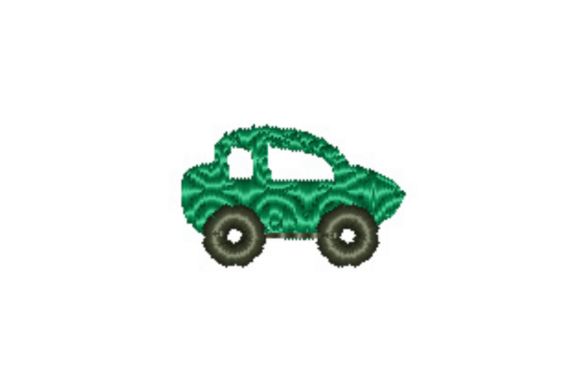
Reviewing Passenger Car Mini Embroidery for Craft Fairs
As an embroidery designer who has spent countless weekends behind a craft fair table, I know that the difference between a browsing customer and a buying customer often comes down to visual clarity and emotional connection. When I first loaded the Passenger Car Mini Embroidery design onto my machine, my immediate thought was about versatility. This is not just a digital file; it is a potential revenue stream for anyone looking to expand their transportation-themed collection. In this review, I am evaluating this design strictly through the lens of a maker preparing for a high-traffic handmade market.
First Impressions: Charm in Compact Form
The description promises a "charming mini machine embroidery design," and upon inspection, that charm is its strongest asset. The aesthetic leans towards cute and modern rather than overly rustic or industrial. For a craft fair product, this is crucial. It feels approachable. It does not scream "novelty item" in a cheap way; instead, it offers a soft, decorative appeal that fits well with current trends in nursery decor and personalized gifts. The lines appear clean, suggesting that even at a small scale, the silhouette of the car remains recognizable. This instant recognizability is vital when customers are scanning a busy booth display.
Product Applications for Maximum Sales
Where does this design truly shine? Based on its "mini" classification, I recommend avoiding large focal points where the lack of intricate detail might look sparse. Instead, leverage its size for accent pieces. Here is how I would deploy this embroidery file across a product line:
- Tote Bag Design: Place the car on the lower corner of a canvas tote. It acts as a subtle signature rather than overwhelming the bag. This appeals to parents who want a stylish yet functional diaper bag or school run accessory.
- Apron Embroidery: A child-sized apron featuring this vehicle is a guaranteed seller during holiday seasons. Pair it with a matching adult apron for a "gift set" upsell opportunity.
- Tea Towel Embroidery: Kitchen textiles are staple sellers. The compact nature of the design allows it to sit neatly on the hem of a flour sack towel without distorting the fabric drape.
- Embroidered Patch: If you have the capability to create iron-on or velcro-backed patches, this design is ideal. Patches are low-commitment purchases for browsers and add significant perceived value.
- Caps and Beanies: The curved surface of a cap can be tricky, but a mini design minimizes puckering. Ensure you use a strong stabilizer to maintain shape.
Production Practicality and Batch Efficiency
For the Etsy seller or boutique maker, time is money. One of the biggest advantages of a mini design is speed. Shorter run times mean you can produce more units in less time, which is essential for restocking popular items before a weekend market. However, speed should never compromise quality. Because the design is small, every stitch counts. I advise checking the stitch density carefully. If the density is too high for such a small area, you risk perforating lightweight fabrics like cotton voile or thin linen. Conversely, if it is too loose, the backing material might show through, ruining the premium look of your finished product.
Photography is another critical factor. Small designs can be difficult to capture in online listings. You must invest in good macro photography or create a high-quality printable mockup that shows the texture of the thread. Customers need to see the craftsmanship. A blurry photo of a tiny car will not convert sales. Use natural light and contrast the thread colors against the fabric to make the design pop in your digital storefront.
Navigating Technical Challenges
While the Passenger Car Mini Embroidery is user-friendly, it requires careful handling. Here are the specific technical pitfalls to avoid:
- Fabric Texture: Avoid highly textured towels or thick fleece unless you test extensively. The small details of the car wheels or windows may get lost in the pile of the fabric. Smooth cotton, linen, or canvas works best.
- Thread Contrast: Do not rely on subtle color shifts. On a dark fabric, ensure your thread colors are bright and distinct. On white fabric, avoid pale pastels that wash out. High contrast ensures the design is understood at a glance.
- Stabilizer Selection: Never skip the stabilizer. For knits like t-shirts or caps, use a cut-away stabilizer to prevent distortion over time. For woven fabrics like tote bags, a tear-away may suffice, but hooping firmly is non-negotiable.
- Hoop Size Constraints: The description mentions it is crafted for "even the tiniest embroidery hoops." This is a benefit, but ensure your machine’s minimum hoop size matches the design dimensions. Do not try to force a 4x4 design into a 3x3 hoop without verifying the actual digitized boundaries.
Enhancing Brand Consistency and Visual Appeal
Using a cohesive theme helps build brand recognition. If your shop specializes in transportation or children's items, this design reinforces your niche. It adds to your library of design assets, allowing you to create collections rather than one-off items. For example, pair the passenger car with other vehicles in the same style to create a "Travel Series" for nursery wall art or pillow covers. This encourages multiple purchases from a single customer.
Furthermore, the visual appeal of a well-executed mini embroidery speaks to the quality of your small shop product. It suggests attention to detail. Customers at craft fairs often touch items before buying. If the stitching is neat, with no loose threads or bird nests on the back, you establish trust. That trust translates into higher price points and repeat business.
Designer Notes for Pre-Production Testing
Before you commit to producing fifty units for your next market, follow these steps:
- Test on Scrap Fabric: Always run a test stitch on the exact fabric you intend to sell. Check for puckering and registration issues.
- Verify Commercial Licensing: Ensure your purchase of the digital embroidery file includes rights for commercial embroidery. Most designers allow finished products to be sold, but restrictions vary. Never assume.
- Check Thread Colors: Digitizing software often suggests default colors. These may not match your brand palette. Customize the thread colors to fit your specific product line.
- Create Real Mockups: While digital mockups are useful for planning, photographing a real sample helps you understand how the light hits the satin stitches versus the fill stitches.
In conclusion, the Passenger Car Mini Embroidery is a strategic addition to any maker’s toolkit. It balances cuteness with practicality, offering a quick stitch time and broad application potential. By respecting the technical limitations of small-scale embroidery and focusing on high-contrast, high-quality presentation, you can turn this simple design into a standout handmade product that drives engagement and sales. Whether you are an experienced Etsy seller or a new crafter testing the waters, this design offers a reliable path to creating desirable, transport-themed goods.