Reviewing the Halloween Spider Embroidery for Craft Fairs
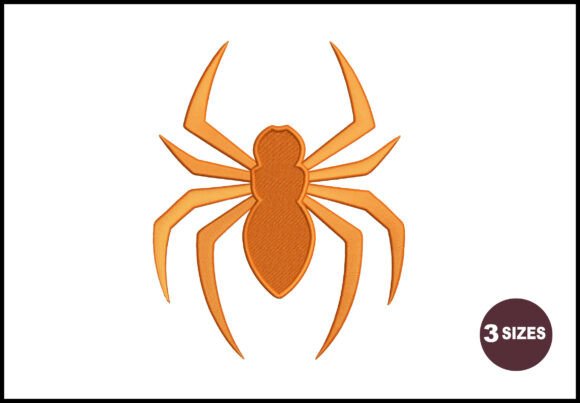
As an embroidery designer who has spent countless hours hooping, stitching, and troubleshooting designs for weekend markets, I approach every new machine embroidery design with a critical eye. It is not just about whether the file runs smoothly; it is about whether the final piece stops a customer in their tracks at a busy craft fair. Recently, I evaluated the Halloween Spider Embroidery to determine its viability for my upcoming autumn booth lineup. This eye-catching orange spider embroidery design is a fantastic choice for those looking to add a unique, edgy, or spooky touch to their creations. Its clear outline and vibrant color make it highly visible, which is exactly what you need when competing for attention in a crowded marketplace.
First Impressions and Visual Impact
The immediate appeal of this design lies in its boldness. In a sea of subtle farmhouse aesthetics and minimalistic line art, this spider demands attention. The use of vibrant orange against a contrasting background creates a high-impact visual that reads well from a distance. For a craft fair product, readability is paramount. Customers walking past your table have only seconds to decide if they want to stop. This design does not rely on tiny, intricate details that get lost in the shuffle; instead, it offers a clear, graphic silhouette that communicates "Halloween" instantly without needing explanatory signage.
I would classify the style as modern festive with an edgy twist. It is not overly cute or childish, which broadens its demographic appeal. It works equally well for teenagers looking for something cool and adults who appreciate a stylized, contemporary take on holiday decor. The strong outline ensures that the shape remains distinct, preventing the design from looking like a blurry blob of thread, a common issue with lower-quality embroidery files.
Product Applications for Maximum Sales
When planning my inventory, I consider where this specific motif will shine. The Halloween Spider Embroidery is versatile, but some surfaces highlight its features better than others.
- Tote Bags and Market Bags: A large version of this design centered on a canvas tote is a top seller. The flat surface allows the stitch definition to remain crisp, and the orange pops beautifully against natural cotton or black fabric. It transforms a simple bag into a statement tote bag design perfect for trick-or-treating or grocery runs.
- Aprons and Tea Towels: For kitchen-focused buyers, this design adds a playful seasonal touch. However, caution is needed with tea towel embroidery. Ensure the stabilizer is appropriate for thin fabrics to prevent puckering. An apron embroidery placement on the bib or pocket creates a fun focal point for hosts preparing Halloween dinners.
- Embroidered Patches: This is arguably the best application for batch production. Patches are low-commitment purchases for customers. The clear outline of the spider translates perfectly to a patch format, allowing you to pre-make dozens using a multi-needle machine or quick hoop swaps. They can be sold individually or used to embellish denim jackets and hats.
- Caps and Beanies: While popular, curved surfaces present challenges. The design must be scaled down appropriately to fit the front panel without distortion. Check your hoop size compatibility before committing to a large run of caps.
Production Practicality and Efficiency
For small shop owners and Etsy sellers, time is money. A design that stitches out quickly and reliably is essential for maintaining profit margins. The clear outline of this spider suggests a manageable stitch count, though you must verify the exact details in the file information. High stitch density can slow down production and increase thread breakage, so reviewing the digitizing quality is crucial. If the design uses smart underlay and efficient pathing, it becomes a reliable workhorse for your October production schedule.
Photography is another critical factor. This design photographs exceptionally well for online listings. The contrast between the orange thread and dark or neutral backgrounds creates striking images for your printable mockup previews or actual product photos. Strong visual assets drive clicks on platforms like Etsy, making this a valuable addition to your design assets library.
Careful-Use Notes and Technical Considerations
While the design is robust, there are technical nuances to consider to ensure a premium finished product.
- Fabric Texture: Avoid using this on highly textured fabrics like thick terry cloth unless you use a heavy cut-away stabilizer. The clear outline can become jagged if the needle hits uneven loops.
- Dark Fabrics: If stitching on black, ensure the orange thread has enough sheen or brightness to stand out. Sometimes, a lighter underlay or a white border stitch can help separate the orange from dark backgrounds.
- Scaling Limits: Do not shrink this design too small. The legs and body need space to breathe. If reduced beyond a certain point, the gaps between stitches may close up, losing the definition that makes the design effective.
- Stabilizer Choice: Always match your stabilizer to your fabric. For stretchy knits, a cut-away is non-negotiable to prevent distortion after washing.
Enhancing Brand Consistency and Buyer Engagement
Incorporating the Halloween Spider Embroidery into your lineup helps build a cohesive seasonal collection. It signals to your customers that your brand is current and attentive to trends. When displayed alongside complementary items like pumpkin motifs or autumn leaves, it creates a themed vignette that encourages multiple purchases. Buyers often look for coordinated sets, such as a matching towel and apron, increasing your average order value.
Furthermore, this design supports commercial viability. As a commercial embroidery asset, it allows you to create unique products that differ from the generic printed merchandise found in big-box stores. The handmade quality of embroidery adds perceived value, justifying a higher price point. Customers appreciate the texture and dimension that only stitched designs can provide.
Designer Recommendations for Implementation
Before launching this design into your full production run, follow these practical steps to minimize waste and maximize quality:
- Test on Scrap Fabric: Always stitch a test sample on the exact fabric type you intend to sell. Check for thread breaks, nesting, or registration issues.
- Check Thread Contrast: Experiment with different shades of orange. A neon orange may look modern, while a burnt orange feels more rustic. Choose based on your brand aesthetic.
- Verify Licensing: Confirm that your purchase of the digital embroidery file includes commercial rights. Never assume; always read the license terms to protect your business.
- Create Real Mockups: Instead of relying solely on digital previews, stitch one real item and photograph it. Authentic images convert better than generic mockups.
In conclusion, the Halloween Spider Embroidery is a strong contender for your autumn inventory. It balances visual appeal with production efficiency, making it suitable for both novice and experienced makers. By paying attention to fabric choices, stabilizer types, and strategic product placement, you can turn this single design into a profitable segment of your craft fair offerings. Whether you are an established boutique maker or a new creative entrepreneur, this design offers the versatility and impact needed to succeed in the competitive handmade market.