Review: Spooky Swing Ghost Embroidery Designs for Craft Fairs
As an embroidery designer who spends more time at the sewing machine than I do sleeping, I know that not every machine embroidery design is created equal. Some are technically impressive but visually cluttered, while others are simple yet lack charm. When I pulled up the Spooky Swing Ghost Embroidery Designs on my screen this morning, I was looking for one thing: shelf appeal. Does this design have the whimsical energy to stop a shopper in their tracks at a busy weekend craft fair? After reviewing the details and visualizing it on various substrates, I am ready to share my professional assessment for fellow Etsy sellers, boutique makers, and handmade shop owners.
First Impressions: Whimsy Meets Autumn Nostalgia
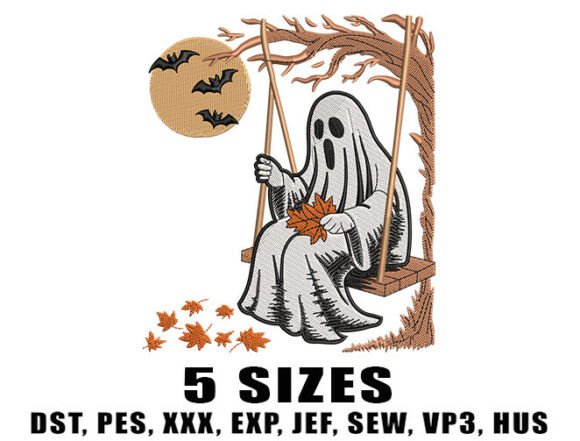
The concept behind the Ghost Swing Leaves motif is immediately engaging. It features an adorable ghost holding autumn leaves while sitting on a swing. This imagery strikes a perfect balance between Halloween spookiness and cozy fall aesthetics. It is not scary; it is sweet. For a craft fair environment, this is crucial. You want designs that appeal to a broad demographic, including parents buying for children, young adults looking for trendy decor, and older customers who appreciate traditional seasonal motifs.
The design feels rustic yet modern, fitting seamlessly into the popular farmhouse style that continues to dominate the home decor market. It avoids the overly complex shading that can look messy in person, opting instead for clean lines and recognizable shapes. This clarity is vital for a craft fair product because customers often view items from a few feet away before picking them up. If the image is not instantly readable, you lose the sale.
Product Versatility and Market Fit
One of the strongest assets of the Spooky Swing Ghost Embroidery Designs is its adaptability. The description notes five sizes, ranging from 3.8 inches to 6.8 inches. This range allows for strategic placement across a variety of handmade products. Here is how I see this design performing on specific items:
- Tote Bags: A medium-sized version centered on a canvas tote creates an instant bestseller. The tote bag design market is saturated, but a unique, seasonal character like this ghost adds value. It transforms a generic bag into a statement piece for grocery runs or library visits.
- Aprons: For the apron embroidery niche, placing the design on the bib or lower pocket area works beautifully. It appeals to home cooks who love to decorate their kitchens for the season. The whimsical nature suggests fun rather than formal dining, which aligns with current trends.
- Tea Towels: Using the smaller sizes for tea towel embroidery is a smart move. Kitchens are high-traffic areas for seasonal decor. However, you must be cautious with fabric texture. Terry cloth or highly textured waffles can distort small details. I recommend using smooth flour sack towels for the crispest result.
- Embroidered Patches: The largest size might be too big for standard patches, but the 3.8-inch or 4.8-inch options could work for iron-on or sew-on patches. These are excellent impulse buys at craft fairs, allowing customers to customize their own jackets or bags later.
- Pillow Covers: A large hoop application on a neutral linen pillow cover creates a premium-looking home decor item. This elevates the perceived value of the finished product, allowing for a higher price point.
Production Practicality and Stitch Quality
From a production standpoint, efficiency is key. When preparing for a fair, you need designs that stitch out reliably without constant thread breaks or trimming issues. While I do not have the exact stitch count or file format details from the provided description, the visual simplicity suggests manageable stitch density. However, experienced embroiderers know that "simple" does not always mean "easy."
You must pay attention to the swing ropes and the edges of the leaves. These thin elements require precise tension. If your tension is off, the ropes may look puckered or the leaves may lose their definition. I strongly advise testing the design on scrap fabric identical to your final product. Check the thread colors carefully. A classic white ghost on a dark fabric requires a dense underlay to prevent the background color from showing through. Conversely, on light fabrics, ensure the outline stitches are distinct enough to define the shape.
The availability of five sizes is a significant advantage. It allows you to scale the design to fit different hoop size constraints. For example, the 6.8-inch version is ideal for large tote bags or pillow fronts, while the 3.8-inch version is perfect for cap fronts or small pouches. Always confirm the maximum hoop dimensions of your machine before purchasing the digital embroidery file to ensure compatibility.
Visual Appeal and Customer Engagement
In a crowded marketplace, visual appeal drives engagement. The Spooky Swing Ghost Embroidery Designs stands out because it tells a mini-story. It is not just a ghost; it is a ghost enjoying the fall breeze. This narrative element encourages customers to pause and smile. That emotional connection is what converts browsers into buyers.
For online sellers, this design photographs exceptionally well. It lends itself to lifestyle shots featuring pumpkins, dried corn, or warm lighting. Creating a printable mockup or using high-quality design assets for your Etsy listings can help visualize the product for remote buyers. Ensure your photos highlight the texture of the stitches, as this emphasizes the handmade quality that distinguishes your work from mass-produced imports.
Careful-Use Notes and Technical Considerations
While the design is versatile, there are pitfalls to avoid. Here are critical considerations for maintaining quality:
- Fabric Choice: Avoid stretchy knits unless you use a heavy cut-away stabilizer. The weight of the embroidery can cause lightweight fabrics to sag or pucker.
- Curved Surfaces: If applying this to caps, use the smaller sizes. Large designs on curved surfaces often distort at the edges. Hooping technique is critical here.
- Detail Loss: At the smallest size (3.8 inches), fine details in the leaves may merge. Test this size specifically to ensure the leaves remain distinct from the ghost's hands.
- Commercial Licensing: Before selling any commercial embroidery products, always verify the license terms included with the embroidery file. Ensure you have the right to sell finished physical goods.
Final Verdict for Small Shop Owners
The Spooky Swing Ghost Embroidery Designs is a strong contender for your fall inventory. It balances cuteness with seasonal relevance, making it appealing to a wide audience. Its scalability allows for diverse product offerings, from practical kitchen textiles to decorative home accents. By paying attention to stabilizer choice, thread contrast, and fabric texture, you can produce high-quality items that reflect well on your brand.
For the small shop product line, I recommend starting with tote bags and tea towels, as these have lower material costs and high turnover rates at fairs. Use the design to create a cohesive booth display, perhaps pairing embroidered items with matching printed tags or packaging. This consistency strengthens brand identity and enhances the overall customer experience. With careful execution, this whimsical ghost can become a staple of your autumn collection, driving sales and delighting customers who cherish the magic of the season.