Review: Simple Tulip Flower Embroidery for Craft Fairs
As an embroidery designer who has spent countless weekends behind a booth table, I know that not every design translates from screen to sales. When I first loaded the Simple Tulip Flower Embroidery file into my software, my immediate thought was about versatility. In the world of Single Flowers, simplicity is often mistaken for plainness, but in reality, it is the key to modern appeal. This design promises a clean and vibrant aesthetic, which is exactly what today’s handmade market customers are seeking. They want items that feel fresh, minimal, and cheerful without being overly busy.
First Impressions: Modern Minimalism Meets Spring Cheer
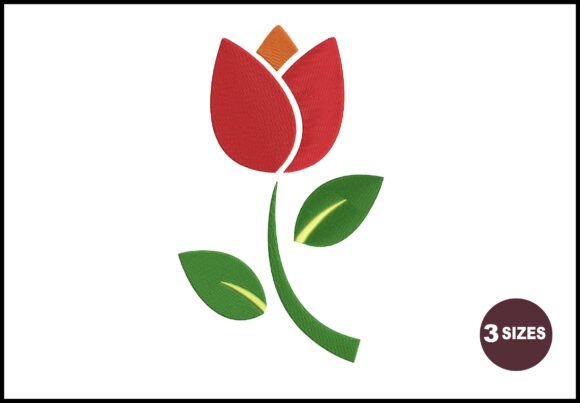
The visual impact of this machine embroidery design is striking because of what it leaves out. There are no excessive fill stitches or complicated shading techniques that can look muddy from a distance. Instead, the lines are crisp, suggesting a contemporary style that fits seamlessly into farmhouse, modern rustic, or minimalist decor themes. For a craft fair seller, this is crucial. When a potential customer walks past your table, their eyes scan for clarity. A bold, simple tulip stands out against the visual noise of a crowded market. It reads as elegant and premium rather than cluttered.
I appreciate that the description highlights it as perfect for spring crafts, but do not limit yourself to seasonal thinking. A well-executed floral motif sells year-round when placed on the right handmade product. The vibrancy mentioned in the product details suggests that thread choice will play a massive role here. This is not a design that hides behind poor color coordination; it demands confident thread selections to truly shine.
Product Potential: Where This Design Sells Best
When planning my inventory for a weekend show, I always categorize designs by their best surface application. The Simple Tulip Flower Embroidery is incredibly adaptable, but some products will yield higher profit margins and faster sales than others.
- Tote Bags and Market Bags: This is arguably the strongest candidate. A large-scale version of this tulip centered on a canvas tote creates an instant statement piece. It serves as an excellent tote bag design because the flat surface allows the stitch work to lie perfectly smooth. Customers love buying these as eco-friendly gifts or personal everyday carriers.
- Tea Towels and Aprons: Kitchen textiles are staple sellers. For tea towel embroidery, placement is key. I recommend stitching this near the bottom corner or along the hem. The clean lines complement the weave of linen or cotton towels without getting lost in the texture. Similarly, an apron embroidery featuring this tulip on the bib or pocket adds a touch of whimsy that appeals to home cooks and entertainers.
- Embroidered Patches: If you are looking to create low-cost, high-volume items, consider making iron-on or sew-on patches. An embroidered patch with this design allows customers to customize their own jackets or jeans. It turns a static product into an interactive experience at your booth.
- Caps and Headwear: While curved surfaces are tricky, a simplified floral element works well on the side panel or front of a dad hat. However, you must be mindful of the fabric stretch and curvature to ensure the design does not distort.
Production Practicality for the Small Shop Owner
For any Etsy seller or boutique maker, time is money. One of the biggest advantages of this digital embroidery file is its likely efficiency. Simple designs typically have lower stitch counts, meaning less machine time per unit. This allows for batch production, which is essential when preparing for a craft fair. You can hoop multiple items, run them through the machine, and finish them quickly.
Photography is another critical factor. This design photographs exceptionally well for online listings. Because it is not overly dense, it does not create harsh shadows under studio lighting. This makes creating a printable mockup or taking lifestyle photos much easier. The clean lines translate clearly on screens, helping remote buyers understand exactly what they are purchasing. Whether you are selling the finished product or using the design as part of your design assets portfolio, visual clarity drives engagement.
Careful-Use Notes and Technical Considerations
While the design is forgiving, it is not immune to poor execution. As an experienced designer, I must point out a few areas where things can go wrong if you are not careful.
First, consider stitch density. Even in simple designs, if the satin columns are too wide without proper underlay, they can snag or look loose. Always test on your specific fabric. Second, be wary of fabric texture. Highly textured towels or thick denim can swallow small details. If the tulip has any tiny internal details, they may disappear on rougher materials. In such cases, increasing the size of the design slightly can help maintain clarity.
Dark fabrics present another challenge. If you are stitching on navy or black, ensure your thread colors have enough contrast. A pastel tulip on a dark background might look washed out unless you use a bright, vibrant thread. Additionally, when working on curved surfaces like caps, use the appropriate stabilizer to prevent puckering. The hoop size should be chosen to minimize re-hooping if possible, though this single flower likely fits within standard 4x4 or 5x7 hoops comfortably.
Enhancing Brand Consistency and Visual Appeal
Using a cohesive design like Simple Tulip Flower Embroidery helps build brand recognition. If your shop specializes in modern, clean aesthetics, this design reinforces that identity. It does not clash with other items; instead, it complements them. When customers see a consistent style across your tote bags, pillows, and patches, they perceive your brand as professional and curated. This perception increases the perceived value of each item, allowing you to price your small shop product line competitively while maintaining healthy margins.
Furthermore, this type of commercial embroidery design encourages buyer engagement. It is approachable. Customers who might be intimidated by complex, realistic florals feel comfortable with a stylized tulip. It feels friendly and accessible, which is vital for converting browsing traffic into sales.
Designer’s Checklist Before Production
Before you commit to producing fifty tote bags for your next market, follow these practical steps:
- Test on Scrap Fabric: Never skip this step. Run the design on the exact material you plan to sell. Check for puckering, thread breaks, or registration issues.
- Check Thread Contrast: Lay your thread spools against the fabric. Ensure the tulip pops. If it blends in too much, choose a different colorway.
- Review Spacing and Hoop Size: Confirm that the design fits your intended hoop without needing excessive adjustment. Ensure there is enough margin from the edge of the item to the stitch area.
- Inspect Stitch Density: Look at the back of your test stitch-out. Is it neat? Are there excessive jumps? Clean up any necessary trim points for a professional finish.
- Use the Right Stabilizer: Match your stabilizer to your fabric weight. Cut-away for stretchy knits, tear-away for stable wovens.
- Create a Real Mockup: Take a photo of your test stitch-out on the actual product. Use this image for your Etsy listings or social media teasers.
- Confirm Licensing: The product description notes that PES – Brother and Deco formats are included. However, always double-check the license terms provided by the designer. Ensure you have the rights for commercial embroidery sales if you plan to sell physical goods.
In conclusion, Simple Tulip Flower Embroidery is a strong contender for any craft fair product lineup. Its strength lies in its adaptability and modern appeal. By paying attention to fabric choice, thread contrast, and production efficiency, you can turn this single digital file into a diverse range of best-selling items. It is a reminder that in Embroidery, sometimes less is indeed more.