Reviewing Cute Duck Splashing Embroidery for Fairs
As an embroidery designer who has spent countless weekends behind a booth table, I have learned that not every design translates into a bestseller. Some files look stunning on a screen but vanish in a crowded market. Others become the unexpected stars of the show. Today, I am putting the Cute Duck Splashing Embroidery under the microscope. This isn't just about aesthetics; it is about viability for craft fair sellers, Etsy shop owners, and anyone looking to turn a digital embroidery file into a profitable handmade product.
First Impressions: Bold Charm with Personality
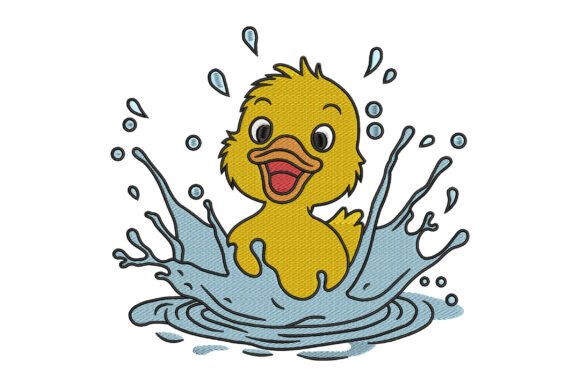
The moment I loaded the Cute Duck Splashing Embroidery into my software, the character jumped out at me. The description promises a bold and detailed look, and the preview delivers. It does not feel overly rustic or strictly farmhouse; instead, it strikes a modern, playful note that appeals to wildlife lovers and those who appreciate whimsical statement pieces. For a seller, this is crucial. You need a design that communicates its theme instantly. A customer walking past your table has seconds to decide if they stop. This duck, caught mid-splash, offers that immediate visual hook.
The category is Birds, but the appeal is broader. It fits into nursery decor, kitchen themes, and outdoor-loving lifestyles. The energy of the splash adds movement, preventing the design from feeling static or boring. It feels premium because of the detail, yet approachable enough for casual buyers.
Product Potential: Where This Design Shines
When planning my inventory for a upcoming market, I evaluate where a specific machine embroidery design will have the most impact. Here is how I see this file performing across various small shop products:
- Tote Bags and Market Bags: This is likely the strongest contender. A canvas tote provides a flat, stable surface that handles the stitch count well. The 4.01″ x 3.99″ size is substantial enough to be a focal point without overwhelming the bag. It makes for an excellent craft fair product because tote bags are impulse buys, and a cute animal design lowers the barrier to entry for hesitant buyers.
- Aprons and Tea Towels: Kitchen textiles are perennial sellers. The splashing motif ties perfectly into water and cleaning themes. However, you must consider fabric texture. On a waffle-weave tea towel, the finer details might get lost. I recommend using a smooth cotton or linen blend for the best clarity. Apron embroidery benefits from the central placement, turning a utility item into a giftable keepsake.
- Embroidered Patches: If you offer patches, this design is a winner. The defined edges of the splash and the duck’s shape lend themselves well to cut-away stabilizer and merrowed edges. Patches are low-commitment purchases for customers, allowing them to add personality to jackets or backpacks later.
- Caps and Headwear: Proceed with caution here. While cap embroidery is popular, the curved surface can distort detailed designs. The 20,195 stitches indicate a moderate density. You would need to test this on a structured cap to ensure the bill doesn’t pucker. It may work better as a side accent rather than a full front panel depending on your hoop size capabilities.
Production Realities: Stitch Density and Clarity
Let’s talk numbers. The file contains approximately 20,195 stitches. In the world of commercial embroidery, this is a manageable count. It is not so dense that it will take hours to run, which is vital for batch production during peak seasons. However, it is detailed enough to require attention.
One critical aspect to review is the stitch density in the "splash" areas. Water effects often use varying thread colors to create depth. As a designer, I advise checking the thread colors in your own palette. High-contrast threads will make the splash pop, while monochromatic schemes might mute the effect. Always do a test run on scrap fabric that matches your final product. This helps you identify any pull compensation issues or thread breaks before you commit to expensive finished products.
Another practical note is the hoop size. The design is roughly 4 inches square. Ensure your machine’s minimum hoop size accommodates this without excessive re-hooping. For smaller items like pouches, this size is nearly perfect. For larger items like pillow covers, you might consider pairing it with text or other design assets to balance the negative space.
Visual Appeal and Buyer Engagement
Why does this specific design drive engagement? It evokes joy. In a sea of generic floral patterns and minimalist lines, a character-driven design stands out. For an Etsy seller, this translates to better click-through rates if your main image is sharp. The bold nature of the duck ensures it remains visible even in thumbnail views on mobile devices.
For booth displays, consistency is key. If you use this design on a tote, a matching tea towel, and a patch, you create a cohesive collection. This encourages multiple-item sales. A customer might come for the apron but leave with the matching towel because the branding feels intentional and professional. The Cute Duck Splashing Embroidery serves as a strong anchor for such a themed collection.
Designer Notes for Best Results
Before you list this as a digital embroidery file or sell the finished product, keep these technical checks in mind:
- Stabilizer Selection: Given the stitch count, a medium-weight cut-away stabilizer is likely best for garments to prevent distortion over time. For towels, a tear-away with a top stabilizer might suffice, but test for puckering.
- Fabric Contrast: This design will look vastly different on dark versus light fabrics. On dark navy or black, ensure the splash threads are bright enough to be seen. On white, ensure the outline stitches are distinct. Create at least one real mockup for each fabric color you intend to sell.
- Commercial Licensing: Always confirm the license terms included with the file. If you are selling finished products, ensure you have the right to do so. If you are reselling the digital file itself, verify that redistribution is permitted. Most designers allow finished product sales but restrict file sharing.
- Photography: When creating your printable mockup or listing photos, capture the texture. Close-up shots that show the sheen of the thread against the fabric texture increase perceived value. Show the design in context—on a person wearing the apron or holding the tote.
Final Verdict for Craft Fair Sellers
The Cute Duck Splashing Embroidery is a solid addition to any spring or summer inventory. It balances cuteness with technical solidity. It is not so complex that it slows down production, yet it is detailed enough to justify a higher price point than simple monogram styles. For handmade market products, it offers versatility. It works as a standalone statement on a tote or as part of a curated gift set.
Remember, the success of this design depends on your execution. Choose high-quality blanks, match your thread colors carefully, and present it with confidence. Whether you are an experienced embroidery business owner or a new creative entrepreneur, this design offers a reliable path to creating items that customers love to touch, hold, and buy. Keep your hoop size in mind, respect the stitch density, and let the personality of the duck do the selling for you.