Review: Chicken Embroidery Design, 10 Formats
As an embroidery designer who has spent countless weekends standing behind craft fair tables, I have learned that not every design translates into a bestseller. Some patterns look beautiful on a screen but get lost in the chaos of a busy market booth. Others become instant hits because they hit the sweet spot between visual appeal and production efficiency. Today, I am putting the Chicken Embroidery Design, 10 Formats under the microscope to see if it deserves a prime spot in your next collection of handmade goods.
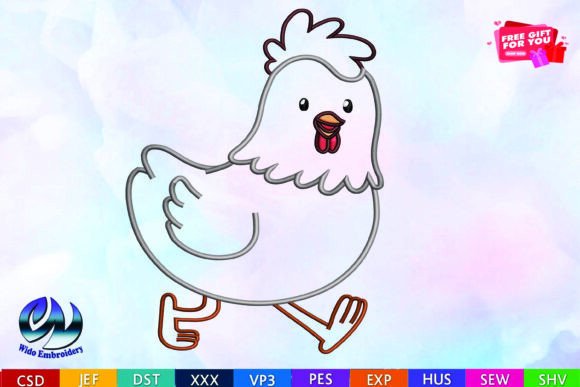
This specific pattern is described as a "Happy Chicken Cute chicken applique embroidery design," which immediately tells me we are dealing with a piece that leans heavily into the farmhouse and rustic aesthetic. For those of us selling to families, home decorators, and lovers of country-style decor, this niche is incredibly lucrative. The promise of multiple file formats suggests versatility, a crucial factor when you are stitching on everything from thick tote bags to delicate kitchen linens.
First Impressions: The Farmhouse Appeal
When I first reviewed the preview images for this Birds category item, the immediate vibe was cheerful and approachable. In the world of Embroidery, cute characters often outsell complex landscapes because they trigger an emotional response. A happy chicken is not just a bird; it is a symbol of home, comfort, and simple living. This design feels bold enough to be seen from three feet away—a critical requirement for any craft fair product—yet detailed enough to invite closer inspection.
The applique nature of the design is a significant selling point for production. Applique allows for large areas of color without the high stitch density that can pucker lightweight fabrics. This means the design should sit flat on a variety of materials, maintaining a premium look that customers associate with high-quality handmade product items. It strikes a balance between modern minimalism and traditional rustic charm, making it adaptable for both contemporary and classic booth displays.
Product Versatility and Market Fit
The true test of any digital embroidery file is its adaptability. I evaluated where this chicken design would perform best across a standard inventory list for a small shop.
- Kitchen Linens: This is arguably the strongest category for this design. A tea towel embroidery featuring a cute chicken is a staple gift item. The design likely scales well for the center of a towel or as a corner accent. Because kitchen towels are often textured, the applique technique helps the design stand out against the fabric weave.
- Apparel and Accessories: For a tote bag design, this chicken adds a playful touch that appeals to grocery shoppers and farmers' market enthusiasts. On an apron, it serves as a focal point that reinforces the "home cook" identity. However, when applying this to caps, one must be cautious. Curved surfaces distort designs, so checking the hoop size and ensuring the design is not too wide is essential to prevent wrapping around the sides.
- Home Decor: Pillow covers and fabric pouches benefit from the square or rectangular framing often associated with applique. A small embroidered patch version of this chicken could also be sold as a standalone design assets add-on or used to embellish denim jackets and backpacks.
For an Etsy seller, this design offers excellent potential for printable mockup creation. The distinct shapes and likely vibrant thread colors photograph well, allowing you to create compelling listing images that show the design on various backgrounds without needing to stitch every single sample physically.
Production Practicality for Small Shops
Running a small business means time is money. One of the biggest advantages of this Chicken Embroidery Design, 10 Formats is the potential for batch production. Applique designs generally run faster than full-fill satin stitch designs because large areas are covered by fabric rather than thread. This reduces machine wear and tear and shortens the production time per unit.
However, practical execution requires attention to detail. When working with this design, consider the following:
- Fabric Texture: While applique is forgiving, the underlying fabric texture matters. On fluffy towels, ensure your stabilizer is robust enough to prevent the stitches from sinking into the pile. A cut-away stabilizer is often safer for items that will be washed frequently, like aprons and towels.
- Thread Contrast: To make the chicken pop, choose thread colors that contrast sharply with both the applique fabric and the base garment. If you are using a white chicken on a cream tote, the outline stitches must be dark enough to define the shape clearly.
- Size Scaling: Always test the design at different sizes. What looks perfect on a large market bag might lose clarity if shrunk down for a small pouch. Tiny details in the face or feathers may merge if the design is scaled below the recommended minimums.
Careful-Use Notes and Quality Control
Even the best designs have pitfalls. As a professional reviewer, I must highlight areas where caution is needed. Dense stitch areas, if present in the facial features or comb of the chicken, can cause puckering on thin fabrics. Always test on scrap fabric before committing to your final inventory. This is non-negotiable for maintaining brand consistency.
Additionally, be mindful of dark fabrics. If the design relies on light-colored threads or white applique fabric, ensure your machine tension is perfectly calibrated to avoid shadowing. For curved surfaces like caps, use a hoop specifically designed for headwear to keep the fabric taut and prevent distortion of the chicken’s shape.
Before listing any finished product for sale, confirm the commercial licensing terms included with the machine embroidery design. Most designers allow finished goods sales, but restrictions on sharing the digital file itself are standard. Protect your business by keeping the embroidery file secure and only selling the physical or customized items.
Boosting Visual Appeal and Buyer Engagement
In a crowded marketplace, visual appeal drives sales. This chicken design contributes to booth display strength by adding a element of whimsy. It invites smiles, which leads to conversations, which leads to sales. When customers see a well-executed applique, they perceive higher value. It looks intentional and crafted, not just printed.
To maximize engagement, pair this design with complementary products. Sell the chicken-embroidered apron alongside matching oven mitts or pot holders. Create bundles that tell a story of a cozy, rustic kitchen. Use the design to create a cohesive look across your table, reinforcing your brand identity as a creator of warm, welcoming small shop product items.
Ultimately, the Chicken Embroidery Design, 10 Formats appears to be a strong contender for your production lineup. It fits seamlessly into the popular farmhouse trend, offers practical production benefits through its applique style, and possesses the cute factor that drives impulse buys at craft fairs. By paying attention to stabilizer choice, thread contrast, and appropriate scaling, you can turn this digital asset into a reliable revenue stream for your embroidery business.
Remember, the key to success with any new design is testing. Stitch it out, wash it, wear it, and display it. If it holds up to real-world use and catches the eye of passersby, you have found a winner. Happy stitching!