Toucan Bird Embroidery Design Review
As an embroidery designer who has spent years digitizing and testing files for commercial use, I approach every new machine embroidery design with a critical eye. It is not just about whether the image looks pretty on a screen; it is about how that design translates to fabric, how it holds up in production, and ultimately, how it serves the brand identity of the small business owner purchasing it. Recently, I reviewed the Toucan Bird Embroidery Design, a file marketed for its elegance and natural beauty. For boutique owners, café managers, and handmade product creators, this review breaks down whether this specific asset is ready for your next batch of branded merchandise.
First Impressions: Visual Personality and Brand Fit
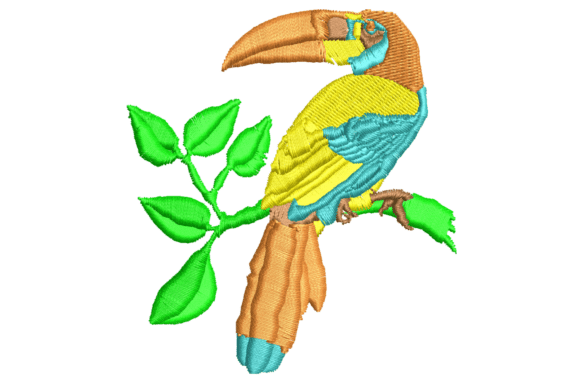
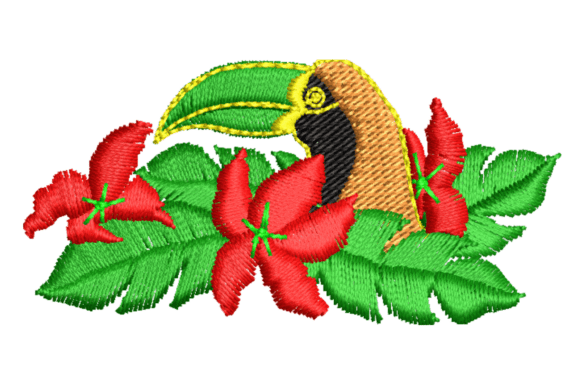
The initial appeal of the Toucan Bird Embroidery Design lies in its versatility. The description promises an "elegant" addition to garments and home decor, and visually, the silhouette of a toucan offers a unique blend of tropical vibrancy and structural simplicity. Unlike overly complex realistic birds that can turn into a tangled mess of threads, this design appears to balance detail with clean lines. This is crucial for modern branding. Whether you are running a floral shop, a pet brand, or a creative studio, the toucan acts as a friendly yet sophisticated mascot. It feels less like a cartoon and more like a refined graphic element, which elevates the perceived value of the finished product.
For businesses aiming for a "handmade" aesthetic without sacrificing professionalism, this design hits a sweet spot. It is decorative enough to stand alone as a central motif on a tote bag but subtle enough to work as a chest logo accent on staff uniforms. The visual personality suggests warmth and approachability, key traits for customer-facing businesses like bakeries or local boutiques.
Real-World Applications for Small Business Merch
When evaluating a digital embroidery file for commercial use, I always map out potential applications. Here is how the Toucan Bird Embroidery Design performs across various mediums:
- Embroidered Patches: This is perhaps the strongest use case. A toucan shape lends itself well to the border constraints of a patch. For a coffee shop or bookstore, these can be sold as add-on items or used to seal packaging, creating a memorable unboxing experience.
- Custom Apparel and Uniforms: On aprons for baristas or florists, the design adds a touch of whimsy. However, placement is key. A left-chest placement works best for professional recognition, while a larger back print might require scaling that could compromise stitch integrity if the original file isn't optimized for large hoop sizes.
- Cap Embroidery: Caps are tricky due to the curved surface. The toucan’s beak and head structure need to be checked for distortion. If the design is too wide, it may wrap around the curve awkwardly. I recommend testing a smaller version on the front panel to ensure the details remain crisp.
- Tote Bag Design: Canvas bags provide a stable, flat surface ideal for this type of artwork. The contrast of colorful thread against natural cotton canvas creates a high-end, artisanal look that appeals to eco-conscious consumers.
For Etsy sellers and crafters, this design can serve as a core element in a broader collection of design assets. By pairing it with complementary fonts or botanical elements, you can create cohesive product lines that strengthen brand recognition.
Technical Considerations and Production Challenges
While the aesthetic is promising, the technical execution determines whether a design is a profit-maker or a headache. Here are the critical factors to consider before loading this file into your machine:
Stitch Density and Fabric Texture
The term "elegant" in the description suggests refined detailing, which often correlates with higher stitch density. High density can cause puckering, especially on lightweight fabrics like silk blouses or thin cotton tees. If you are producing items that require frequent washing, such as kitchen aprons or baby items, you must test the design on the actual fabric you intend to use. Pay close attention to how the threads interact with the fabric texture. On textured materials like terry cloth or heavy denim, fine details may get lost, so simplifying the design or increasing the scale might be necessary.
Color Contrast and Thread Selection
Toucans are known for their vibrant colors, but in embroidery, less is often more. Using too many thread colors increases production time and the risk of thread breaks. I advise reviewing the color chart provided with the file. Can you achieve the same impact with fewer shades? For corporate uniforms, consider a monochromatic version. Testing the design in black and white first is a pro tip; if it lacks definition without color, the digitizing may rely too heavily on shading rather than solid shapes, which is risky for small-scale production.
Hoop Size and Stabilizer Choice
Always confirm the recommended hoop size before purchasing. If the design is digitized for a 5x7 hoop but you only have a 4x4 machine, you will face resizing issues that can distort the aspect ratio. Furthermore, the choice of stabilizer is non-negotiable. For stretchy fabrics like jersey knits used in t-shirts, a cut-away stabilizer is essential to prevent the design from warping over time. For woven fabrics like canvas totes, a tear-away may suffice, but testing is required to ensure no residue remains.
Enhancing Brand Identity and Customer Trust
In the world of small business merch, consistency is king. The Toucan Bird Embroidery Design can become a recognizable symbol of your brand if used consistently across touchpoints. Imagine a local bakery using this bird on their staff aprons, their reusable shopping bags, and even as a stitched label on their packaged goods. This repetition builds trust and professionalism. Customers associate the quality of the embroidery with the quality of the service or product they are buying.
Moreover, high-quality embroidery signals effort and care. In an age of mass-produced print-on-demand items, a well-executed embroidered patch or logo stands out. It tactilely engages the customer, adding a layer of luxury and permanence that prints cannot match. This enhances the perceived value of your handmade product, allowing for healthier profit margins.
Practical Designer Notes for Implementation
Before you commit to a large production run, follow these steps to ensure success:
- Create a Printable Mockup: Use digital tools to visualize the design on different products. This helps in client approval and marketing materials before a single stitch is sewn.
- Check Commercial Licensing: Ensure the license terms allow for the volume of sales you anticipate. Some files restrict the number of physical items you can produce.
- Test on Real Fabric: Never skip the test stitch. Run the design on a scrap piece of your actual inventory fabric with the intended stabilizer.
- Inspect Spacing and Jump Stitches: Look for long jump stitches that may need trimming or tack-down stitches to prevent looping.
- Compare with Other Assets: Place the toucan next to your existing logo or font choices. Does it complement or clash? Visual harmony is essential for a polished brand look.
In conclusion, the Toucan Bird Embroidery Design offers significant potential for businesses looking to add a touch of nature-inspired elegance to their merchandise. By paying attention to technical details like stitch density, stabilizer choice, and placement, you can transform this digital file into a powerful tool for brand building. Whether for commercial embroidery projects or small-batch handmade goods, this design deserves a spot in your library, provided it is tested and adapted to your specific production needs.