Birdwatching with Binoculars Embroidery Review
As an embroidery designer who has spent years digitizing and testing files for small business clients, I approach every new machine embroidery design with a critical eye. It is not just about whether the image looks cute on a screen; it is about how it translates to fabric, how it holds up in the wash, and ultimately, how it serves the brand identity of the client using it. Recently, I reviewed the Birdwatching with Binoculars Embroidery file, and I want to share my professional assessment of its potential for commercial use.
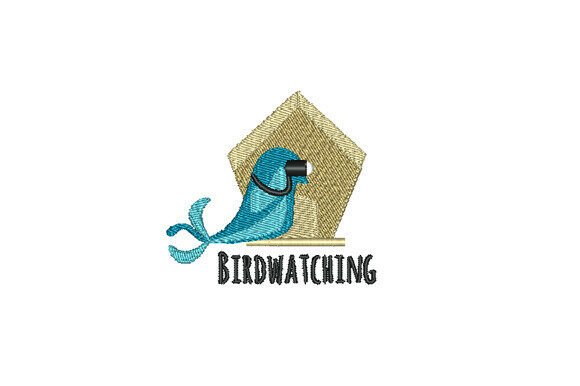
This specific design features a charming scene: a bird perched on a birdhouse, humorously peering through binoculars. At first glance, the visual personality is undeniably playful and friendly. It strikes a balance between rustic charm and modern whimsy, making it a versatile asset for various niches. For small business owners, especially those in the outdoor, nature, or hobbyist sectors, this design offers a unique way to connect with customers through custom apparel and branded merchandise.
First Impressions and Visual Appeal
The immediate appeal of Birdwatching with Binoculars Embroidery lies in its narrative quality. Unlike static logos, this design tells a micro-story. The humor of a bird using human tools like binoculars creates an instant emotional connection. In the world of Embroidery, designs that evoke a smile or a sense of nostalgia tend to perform exceptionally well on social media and in retail settings.
From a technical standpoint, the composition appears balanced. The birdhouse provides a solid structural base, while the binoculars add a focal point that draws the eye. This is crucial for brand identity because it ensures the design is recognizable even from a distance. Whether you are targeting birding clubs, nature enthusiasts, or simply looking for a cheerful accent for a boutique, the aesthetic fits seamlessly into the Birds category without feeling generic.
Real-World Applications for Small Business Merch
When evaluating a digital embroidery file for business use, I always consider versatility. Here is how I see this design performing across different product lines:
- Embroidered Patches: This is perhaps the strongest application. The self-contained nature of the bird and birdhouse makes it ideal for iron-on or sew-on patches. These can be sold as standalone handmade product items or used to embellish denim jackets and backpacks.
- Cap Embroidery: Placed on the front panel of a baseball cap, this design adds a touch of personality. However, due to the curved surface of a cap, the scale must be adjusted carefully to prevent distortion.
- Tote Bag Design: Canvas tote bags are a staple for eco-friendly brands. The rustic feel of the birdhouse complements the natural texture of canvas, making it a perfect choice for grocery stores, libraries, or garden centers.
- Apron Embroidery: For cafes, bakeries, or florists, staff uniforms benefit from approachable branding. An apron featuring this design softens the professional look and invites conversation with customers.
- Event Merch: Nature walks, birding festivals, and community club gatherings are prime markets for this type of small business merch. It serves as a memorable souvenir that participants will actually wear.
Technical Considerations and Production Notes
While the artistic merit is high, successful commercial embroidery requires technical precision. Before running this design on a production machine, there are several factors you must evaluate to ensure a high-quality finished product.
Stitch Density and Fabric Texture
The complexity of the binoculars and the feathers on the bird suggests a moderate to high stitch density. If you are embroidering on lightweight fabrics like thin cotton t-shirts or silk blends, you must use an appropriate stabilizer to prevent puckering. I recommend testing the design on a scrap piece of your intended fabric first. If the fabric texture is rough, such as heavy denim or canvas, the design should hold up well, but you may need to adjust thread tension to ensure smooth coverage.
Scale and Legibility
One common mistake in using detailed designs is shrinking them too much. If you plan to use this as a small chest logo or a tiny patch, verify that the details of the binoculars remain distinct. Tiny lettering or fine outlines can merge together if the hoop size is too small relative to the stitch count. Always check the recommended dimensions provided with the file. If the design loses clarity at smaller sizes, consider simplifying it or reserving it for larger applications like tote bags or back-of-shirt prints.
Thread Colors and Contrast
The success of this design heavily relies on thread colors. The contrast between the bird, the birdhouse, and the binoculars needs to be sharp enough to distinguish the elements. When working on dark uniforms or navy caps, you may need to add an underlay or choose lighter thread shades to maintain visibility. I advise creating a printable mockup or a digital proof to visualize color combinations before committing to production. This step saves time and materials, ensuring the final look aligns with your client’s expectations.
Enhancing Brand Identity and Customer Trust
Incorporating unique designs like Birdwatching with Binoculars Embroidery into your product line does more than just decorate an item; it builds brand equity. Customers associate high-quality embroidery with professionalism and attention to detail. When they see a well-executed patch or a neatly embroidered apron, it reinforces trust in your brand.
For Etsy sellers and crafters, offering customized items with this design can differentiate your shop from competitors selling mass-produced goods. It allows you to tap into niche markets, such as birdwatching communities or outdoor education groups. By providing high-quality design assets and finished products, you enhance buyer engagement and encourage repeat business.
Final Recommendations for Designers and Makers
Before launching this design in your store or using it for a client project, follow these practical steps:
- Test in Black and White: Run a test stitch-out using only black and white threads. This helps you identify any issues with spacing or density without the distraction of color.
- Check Commercial Licensing: Ensure that the license terms for the embroidery file allow for commercial use. Never assume; always read the documentation provided by the designer.
- Verify File Formats: Confirm that the file format is compatible with your embroidery machine. Common formats include PES, DST, and JEF. If the format is not listed, contact the seller.
- Create Client Mockups: Use digital tools to place the design on various products. Show these mockups to clients for approval before stitching. This manages expectations and reduces the risk of revisions.
- Compare with Brand Assets: Place the design next to your existing logo or branding elements. Ensure the style and tone are consistent. A playful bird design might clash with a ultra-minimalist, corporate brand, so context matters.
In conclusion, Birdwatching with Binoculars Embroidery is a strong contender for small businesses looking to add personality to their merchandise. Its blend of humor and nature appeals to a broad audience, and its versatility allows for use across patches, apparel, and accessories. By paying attention to technical details like stabilizer choice, thread contrast, and scale, you can ensure that every stitched item reflects the high standards of your brand. Whether you are decorating caps for a local club or creating tote bags for a boutique, this design offers a delightful way to engage customers and elevate your product offerings.