Reviewing the French Daisy Seamless Pattern
As a designer who has spent years navigating the gap between digital files and stitched reality, I approach every new asset with a mix of curiosity and skepticism. We have all been there: downloading a beautiful digital embroidery file only to find it lacks the structural integrity needed for actual stitching. However, the French Daisy Embroidery Seamless Pattern presents a different challenge and opportunity. It is not a traditional machine embroidery design in the sense of a pre-digitized DST or PES file ready for your hoop. Instead, it is a high-resolution graphic resource that serves as a foundational layer for modern hybrid crafting.
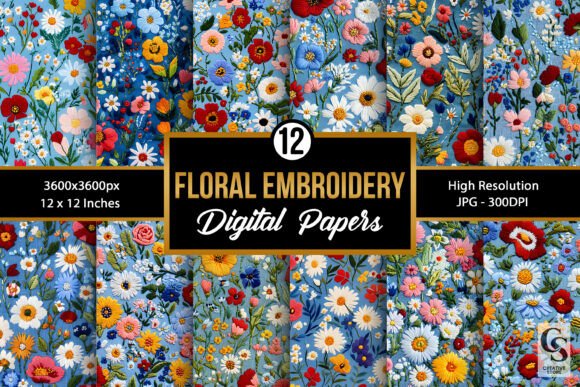
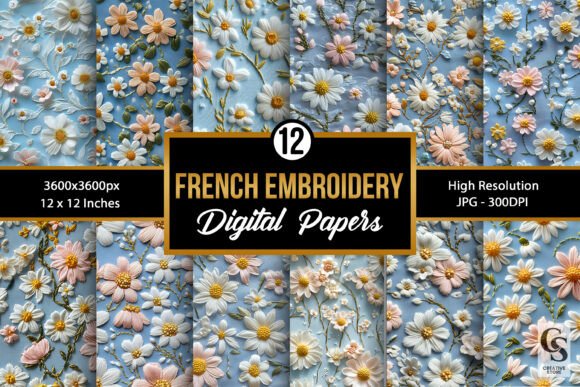
When I first unzipped the file, my immediate impression was one of versatility. The package includes twelve digital papers, all rendered at a crisp 300dpi with dimensions of 3600 x 3600 pixels. For those of us creating printable mockups or designing custom apparel graphics, this resolution is non-negotiable. The aesthetic is distinctly romantic yet grounded, featuring the classic simplicity of daisies arranged in a seamless flow. It does not scream for attention; rather, it invites the viewer in with a soft, rhythmic repetition that feels both nostalgic and fresh.
From Screen to Stitch: A Real-World Application
To truly evaluate these Graphics, I needed to move beyond the screen. I imagined a recent client request for a line of boutique tote bags. The client wanted something floral but not overly busy, suitable for everyday use. This is where the French Daisy Embroidery Seamless Pattern shines as a design asset. Rather than relying solely on thread, I used the pattern as a sublimation print base, then overlaid selective machine embroidery to highlight specific daisy centers.
The result was a textured, multi-dimensional handmade product that felt premium. The seamless nature of the pattern meant I could tile it across the entire surface of a large tote without visible breaks or awkward edges. If you are an Etsy seller or run a small shop, this capability is invaluable. It allows you to create cohesive branding across various items, from aprons to pillow covers, without needing to digitize complex full-coverage fills that can often pucker fabric.
Visual Appeal and Brand Consistency
In the world of commercial embroidery and craft business, consistency is key. The mood created by this pattern is light, airy, and welcoming. It fits perfectly into the current trend of cottagecore and slow living aesthetics. When used in custom apparel like sweatshirts or baby clothes, it adds a layer of visual interest that plain thread work sometimes misses. The white and yellow tones of the daisies pop beautifully against pastel backgrounds, offering excellent contrast for thread colors if you choose to stitch over parts of the print.
For personalized gift creators, this pattern offers a quick way to elevate a simple item. Imagine a kitchen towel where the pattern is printed along the hem, accented with a simple running stitch border. The combination of print and stitch creates a perceived value that customers are willing to pay more for. It signals that thought and design effort went into the finished product, distinguishing it from mass-produced goods.
Practical Considerations for Embroiderers
While the visual potential is high, we must discuss the technical realities. Since these are JPG files and not vector-based embroidery files, you cannot simply load them into your machine. You must understand how to integrate them. If you plan to use this as a reference for hand embroidery or as a background for applique, clarity is essential. At 300dpi, the details hold up well, but you must be mindful of fabric texture.
Using this pattern on textured fabrics like linen or canvas works wonderfully because the weave complements the organic shape of the daisies. However, on slippery or stretchy fabrics, such as those used for caps or athletic wear, the printed pattern may distort if not properly stabilized. Always test on scrap fabric first. Check how the ink interacts with your stabilizer and whether the heat from pressing affects the print quality.
Another critical point is stitch density. If you decide to embroider directly over the printed pattern, ensure your stitch count is not too dense. Heavy saturation stitches can obscure the delicate details of the daisies, turning a subtle design into a muddy mess. Opt for lighter fill stitches or satin stitches for outlines to let the underlying graphic breathe. This balance is crucial for maintaining the professional look of your embroidery project.
Navigating Limitations and Best Uses
There are scenarios where caution is advised. For instance, using this pattern on dark fabrics requires careful color management. The daisies are light-toned, so they will not show up on navy or black unless you adjust the brightness or use them as a negative space element. Additionally, for small hoop sizes, the scale of the pattern might need adjustment. Since these are raster images, enlarging them too much can lead to pixelation. Stick to the intended 12x12 inch scale or smaller for optimal clarity.
For holiday embroidery or seasonal items, this pattern is adaptable. By changing the background color in your design software, you can shift the mood from spring freshness to autumn warmth. This flexibility makes it a smart addition to your library of design assets. It reduces the time spent creating backgrounds from scratch, allowing you to focus on the unique embroidery elements that define your brand.
Final Verdict for Designers and Makers
The French Daisy Embroidery Seamless Pattern is not just a collection of images; it is a tool for efficient, high-quality design. For small business owners and crafters, it offers a shortcut to professional-looking layouts. It bridges the gap between digital design and tactile creation. Whether you are creating a tote bag design, a sweatshirt embroidery piece, or a set of nursery decor items, this pattern provides a reliable, aesthetically pleasing foundation.
Before incorporating it into your commercial workflow, always confirm the licensing terms provided in the zip file. Ensure that your intended use, whether for physical products or digital previews, aligns with the creator's permissions. Once cleared, I highly recommend testing the pattern in both black and white mockups to gauge its structural strength. Compare it against light and dark backgrounds to understand its versatility.
In conclusion, this set of Patterns earns its place in a serious designer's toolkit. It is practical, visually coherent, and adaptable. It respects the intelligence of the maker, offering raw material that can be shaped into countless unique creations. For anyone looking to enhance their craft business with consistent, charming floral elements, this is a resource worth exploring. It reminds us that good design is not just about the stitch, but about the entire visual experience surrounding it.