Review: Poppy Flowers Embroidery Cutting Boards Design
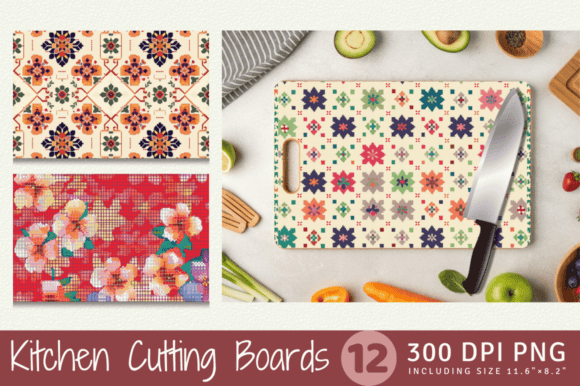
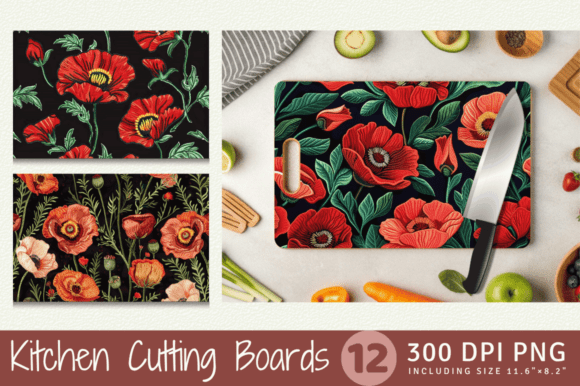
As an embroidery designer who has spent years digitizing and testing files for small businesses, I approach every new machine embroidery design with a critical eye. It is not just about whether the image looks pretty on a screen; it is about how that design translates into thread, how it holds up on fabric, and ultimately, how it serves the brand identity of the business using it. Recently, I evaluated the Poppy Flowers Embroidery Cutting Boards sublimation design to determine its viability beyond its intended kitchen decor niche. While the product description highlights high-quality cutting board designs for cooking lovers and print-on-demand sellers, my focus was strictly on its potential as a versatile graphic for branded merchandise.
First Impressions: Visual Personality and Brand Fit
The immediate impression of the Poppy Flowers Embroidery Cutting Boards graphic is one of rustic elegance mixed with a touch of handmade warmth. Poppies are bold, recognizable flowers that carry connotations of remembrance, peace, and natural beauty. In the context of Crafts and Graphics, this design feels decorative yet grounded. It does not scream "corporate sterile"; instead, it invites a sense of artisanal quality. For a boutique bakery, a local florist, or a creative studio, this aesthetic aligns perfectly with a brand identity that values organic materials and personal touch. The design feels friendly and approachable, which is crucial for customer engagement in retail environments.
Real-World Application for Small Business Merch
When we move beyond the initial concept of kitchen decor, the versatility of this floral motif becomes apparent for small business merch. Here is how I envision this design performing in various commercial embroidery projects:
- Embroidered Patches: This is perhaps the strongest use case. A circular or oval patch featuring the poppy design can serve as a distinctive label for handmade products. Whether sewn onto a canvas tote or attached to a denim jacket, the organic shapes of the flowers translate well to the textured look of thread.
- Staff Uniforms and Aprons: For cafés and bakeries, apron embroidery is a subtle way to elevate staff presentation. Placing a smaller version of the poppy design on the chest pocket or the lower corner of an apron adds a layer of professionalism without being overwhelming. It signals attention to detail.
- Tote Bag Design: Reusable bags are a staple for eco-conscious brands. Using this graphic as a central tote bag design element creates a functional piece of art. Customers are more likely to reuse a bag that features attractive, nature-inspired design assets rather than a plain logo.
- Cap Embroidery: For a more casual brand vibe, placing a simplified version of the poppy on the side panel or back of a cap can work well. However, this requires careful scaling to ensure the details do not get lost on the curved surface.
Technical Considerations and Stitch Density
While the visual appeal is strong, the technical execution requires careful planning. As a designer, I must warn against assuming that a sublimation design meant for flat surfaces like cutting boards will automatically translate to a flawless digital embroidery file without adjustment. Here are the critical factors to consider:
Stitch Density and Detail: Floral designs often contain fine lines and overlapping petals. If the stitch density is too high, the fabric may pucker, especially on lighter materials. Conversely, if the density is too low, the backing fabric might show through. When reviewing this design for production, I recommend checking the stitch count and ensuring that the digitizer has used appropriate underlay stitches to stabilize the intricate flower shapes.
Fabric Texture and Contrast: The success of the thread colors in this design depends heavily on the base fabric. Poppies typically feature vibrant reds or oranges with green stems. These colors pop beautifully on white, cream, or light gray cotton canvases. However, on dark uniforms or navy blue tote bags, you must ensure there is enough contrast. You may need to add a white or light-colored border around the design to prevent it from blending into the background.
Hoop Size and Placement: Before running a production batch, confirm the recommended hoop size. A 5x7 inch hoop might be ideal for a tote bag center, but a 4x4 inch hoop would be better for a chest logo on a shirt. Always test the design on the actual fabric you intend to use. Fabric texture plays a huge role; a rough linen will absorb thread differently than a smooth poly-cotton blend.
Strategic Branding and Customer Trust
Using a cohesive visual element like the Poppy Flowers Embroidery Cutting Boards design across multiple touchpoints strengthens brand recognition. When a customer sees the same floral motif on your website, your packaging, and the apron worn by the barista, it creates a sense of visual consistency. This consistency builds trust. It tells the customer that your brand is established, thoughtful, and professional.
Furthermore, incorporating such designs into your custom apparel or accessories adds perceived value. A plain tote bag is a commodity; a tote bag with a high-quality embroidered poppy is a handmade product that customers are willing to pay a premium for. It transforms a simple transaction into an emotional connection, enhancing buyer engagement and loyalty.
Practical Designer Notes for Production
If you are planning to use this design for your business, follow these steps to ensure a high-quality finished product:
- Test in Black and White First: Before committing to colorful threads, run a test stitch-out in black and white. This helps you identify any issues with spacing, connectivity, or excessive density without wasting expensive colored thread.
- Check Scalability: Verify if the design holds its integrity at smaller sizes. If you plan to use it as a small patch or a sleeve detail, ensure the petals do not merge into a solid blob of thread.
- Use Proper Stabilizer: Floral designs with wide areas of coverage can cause pulling. Use a cut-away stabilizer for garments that will be washed frequently, such as staff uniforms, to maintain the shape of the embroidery over time.
- Create a Printable Mockup: Before presenting the idea to clients or stakeholders, create a printable mockup showing the design on various items. This helps visualize the final look and ensures the color palette complements your existing brand assets.
- Confirm Commercial Licensing: This is non-negotiable. Since the source is described as a sublimation design for print-on-demand, you must verify if the license covers machine embroidery for physical goods. Check the terms regarding the commercial embroidery use of the file. Do not assume that purchasing a graphic for printing grants rights for stitching.
Final Verdict
The Poppy Flowers Embroidery Cutting Boards design offers significant potential for businesses looking to add a touch of natural elegance to their merchandise. While it originates in the realm of kitchen decor, its adaptability to patches, aprons, and bags makes it a valuable asset for creative entrepreneurs. By paying close attention to technical details like stabilizer choice, thread contrast, and hoop size, you can transform this graphic into a powerful tool for brand building. Always prioritize quality control and licensing compliance to protect your business and deliver a product that truly reflects your brand's professionalism.